
How a Shirt Is Made

A Complete Guide to Premium Shirt Manufacturing
A shirt may look simple, but behind every premium shirt lies a complex and carefully
controlled manufacturing process. From pattern engineering to final pressing, every stage
directly affects comfort, durability, and visual balance. This guide explains in detail how a
high-quality shirt is made — step by step.
1. Design Concept & Purpose

Every shirt begins with intent. Before any technical work starts, the manufacturer defines the purpose of the garment.
Is it formal, casual, seasonal, or all-purpose? This decision influences fabric weight, fit, collar construction, stitch density, and overall silhouette.
Premium shirtmaking prioritizes function and longevity over short-lived trends.
2. Shirt Anatomy & Technical Planning

A shirt consists of multiple components working together as a system.
These include the front and back panels, shoulder yoke, sleeves, armholes, collar, collar stand, cuffs, plackets, and hem.
Technical planning ensures proportion balance, structural integrity,and movement comfort.
3. Pattern Drafting & Fit Engineering
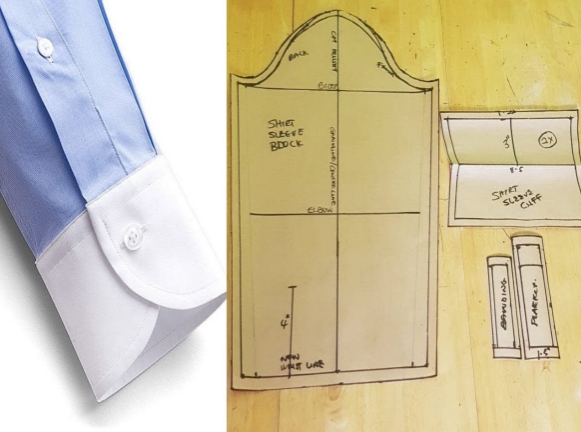
Pattern making is the foundation of shirt quality. Each component is drafted with precision, taking into account body movement, fabric behavior, seam allowances, and long-term
wear.
Premium patterns focus on balanced sleeve pitch, clean shoulder lines, and
controlled shaping that ensures comfort without restriction.
4. Fabric Selection & Preparation

Fabric selection determines how a shirt feels, breathes, and ages.
Premium shirts use woven fabrics such as poplin, oxford, and twill, chosen according to season, texture, and durability.
Fabric preparation ensures correct grain alignment and consistency before
cutting begins.
5. Collar & Cuff Construction
Collars and cuffs are the most structurally demanding parts of a shirt. Premium
construction relies on carefully selected interlining, precise stitch density, and balanced
geometry. A well-made collar retains its shape and symmetry after repeated wear and
washing.
6. Sewing, Assembly & Finishing
During assembly, all components are brought together. Front and back panels are joined,
sleeves are set into armholes, and seams are closed with precision. Premium shirts
feature higher stitch density, reinforced stress points, and clean finishing that enhances
durability.
7. Buttons, Buttonholes & Final Details
Buttons and buttonholes may appear minor, but they strongly influence perceived quality.
Cleanly cut buttonholes, even spacing, and secure stitching ensure both visual harmony
and long-term functionality.
8. Pressing, Quality Control & Presentation
Before packaging, each shirt undergoes final pressing and inspection. Measurements,
stitch quality, fabric integrity, and overall appearance are carefully reviewed. Only shirts
that meet strict quality standards proceed to delivery.
Conclusion
A premium shirt is the result of countless technical decisions made correctly. Though
minimal in appearance, it represents the harmony of textile knowledge, pattern
engineering, and skilled craftsmanship. True quality is quiet — and it lasts

Comments